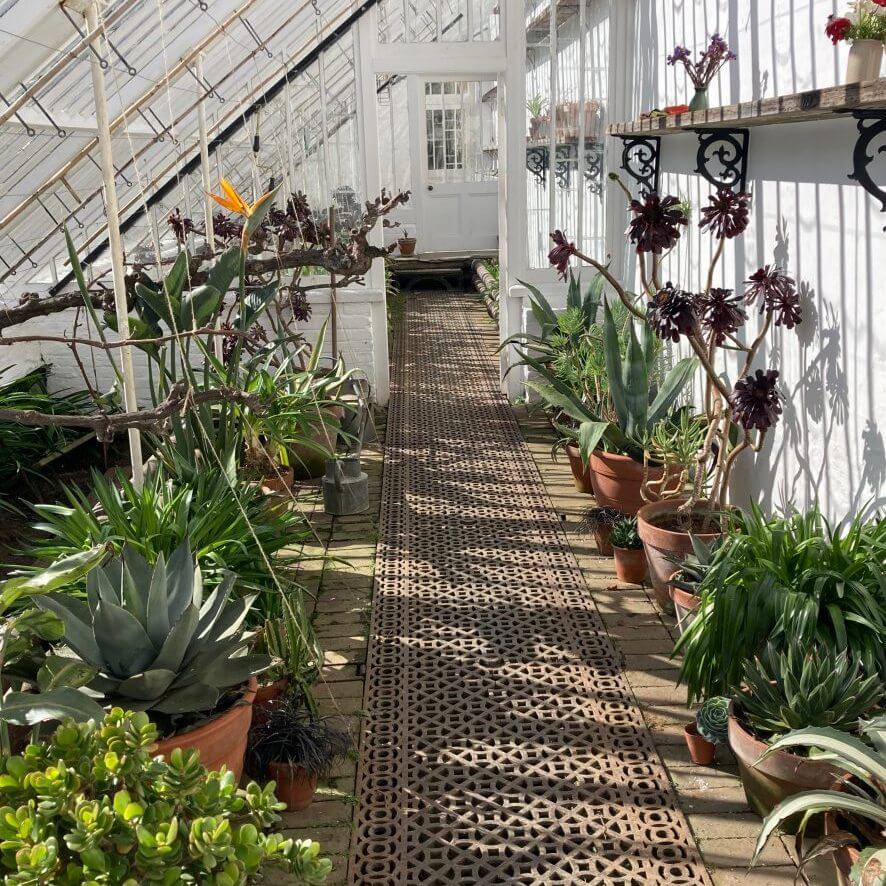
Cornwall's Climate and Botanical Features
Cornwall’s mild climate is strongly influenced by the Gulf Stream, giving the region a unique botanical diversity. These warm currents ensure moderate temperatures throughout the year, allowing exotic plants rarely found in other parts of Great Britain to thrive. Winters are generally mild, protecting delicate plants from frost. In summer, the cooling coastal breezes bring a pleasant freshness that encourages the growth of robust tropical plants.
Another characteristic feature of Cornwall is the variety of microclimates created by the region’s diverse topography. Different landforms, such as hills, valleys, and coastlines, each create their own small climate zones. This diversity fosters a rich flora and provides ideal conditions for various plant species. Subtropical plants like palms and baobabs flourish in sheltered depressions and estuaries, while hardy native species thrive in the higher elevations.
The diversity of Cornish flora also contributes to the conservation of rare and endangered species. Many gardens in the region have dedicated themselves to protecting and cultivating these plants. Through targeted planting and sustainable gardening practices, the regional flora is promoted and preserved. This creates ecological niches that provide habitat not only for plants but also for numerous animal species. As a result, Cornwall is a vibrant place of biodiversity and natural beauty, attracting garden enthusiasts from all over the world year after year.
Learn more about the special climate in Cornwall