The coast walk between Lizard Point and Kynance Cove is one of our favourites.
This gentle walk has so much to offer: historical sites, literary connections, abundant wildlife, and scenery like nowhere else in the world.

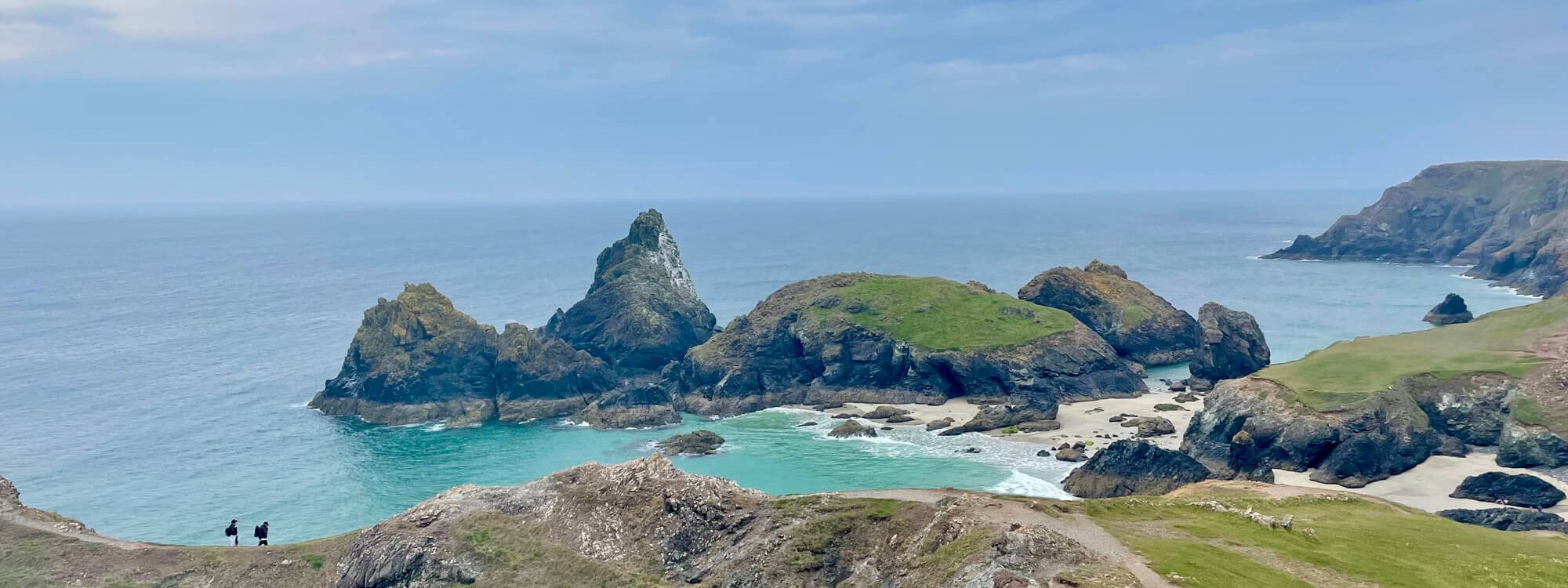
The coast walk between Lizard Point and Kynance Cove is one of our favourites.
This gentle walk has so much to offer: historical sites, literary connections, abundant wildlife, and scenery like nowhere else in the world.
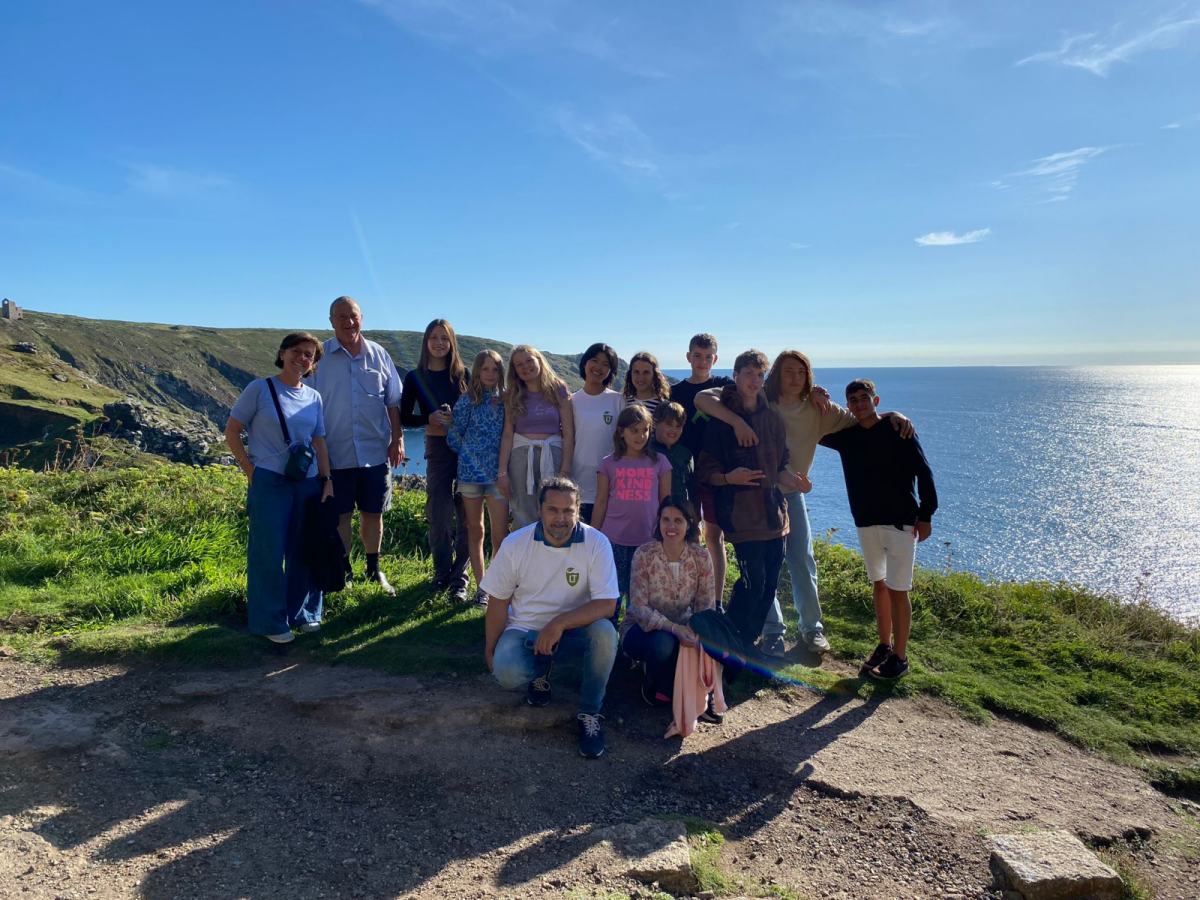
The coast walk between Lizard Point and Kynance Cove is surprisingly short, bearing in mind how much it has to offer in terms of natural beauty and fascinating stories.
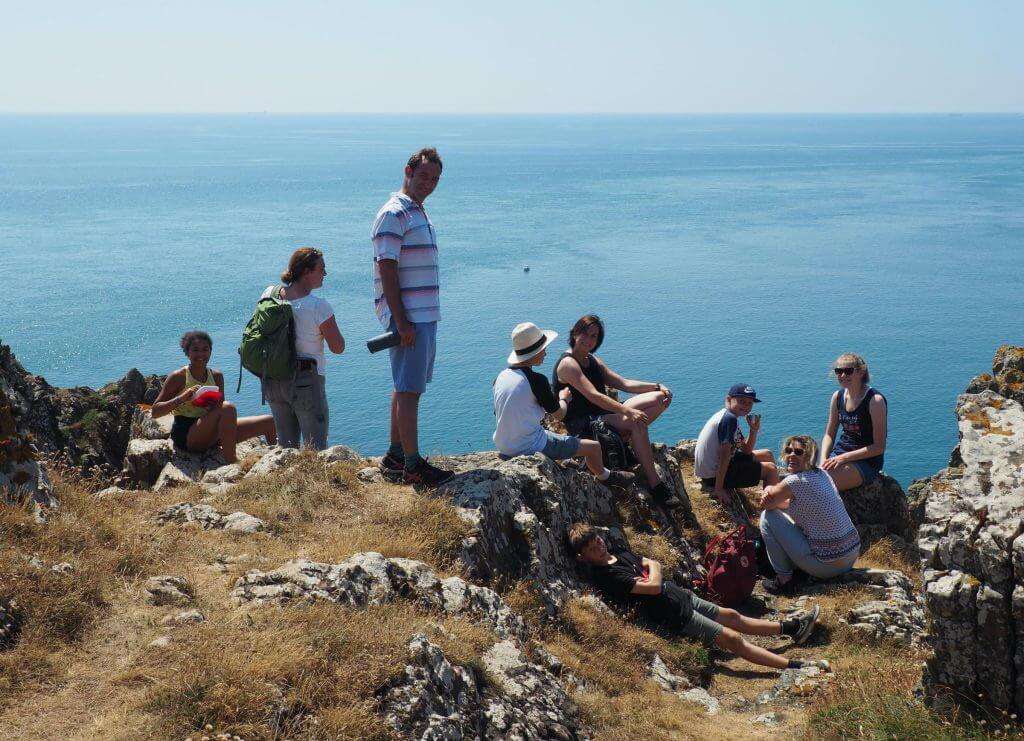
Our route along the South West Coast Path is around 4 kilometres, and is a very easy walk. That said, the time soon disappears as we make our way along this stretch of coastline soaking up the panoramic views.
We start in Lizard Village with a chance to grab one of Ann’s famous pasties before we set off towards Lizard Point.
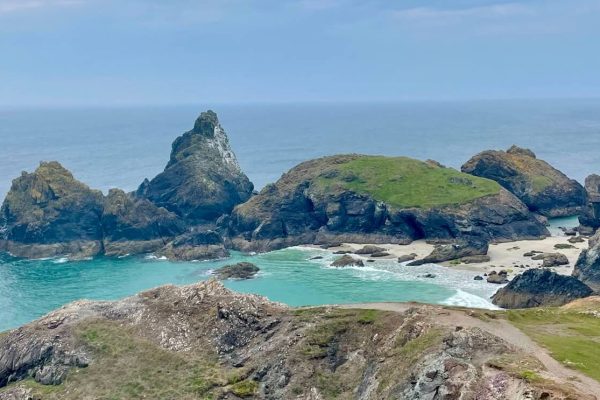
From here we follow the coast path until we reach Kynance Cove. This idyllic spot is famed for its turquoise waters, so we make sure everyone knows to bring swimming stuff.
A dip in the sea and relaxing on the beach has to be the perfect way to wrap up this gorgeous coast walk outing.
Find out more about our coast walking adventures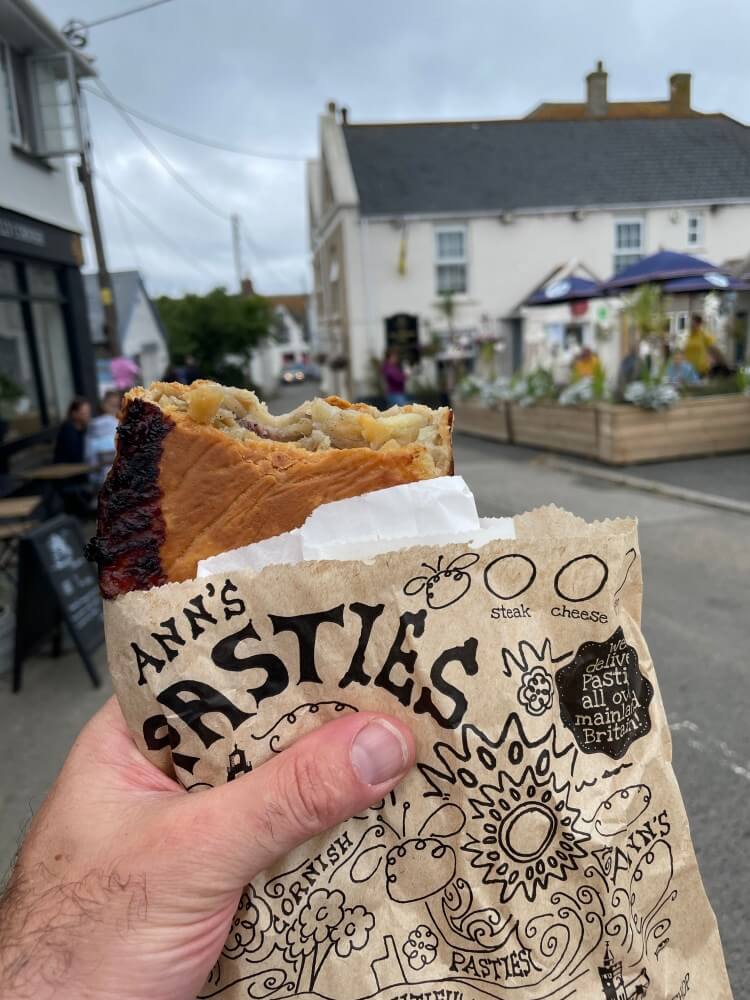
We love a chance to visit The Lizard. Its name has nothing to do with reptiles, and instead comes from the Cornish “Lys Ardh”. This means ‘a high place’ because the peninsula sits high above the sea.
Along our route, we get to:
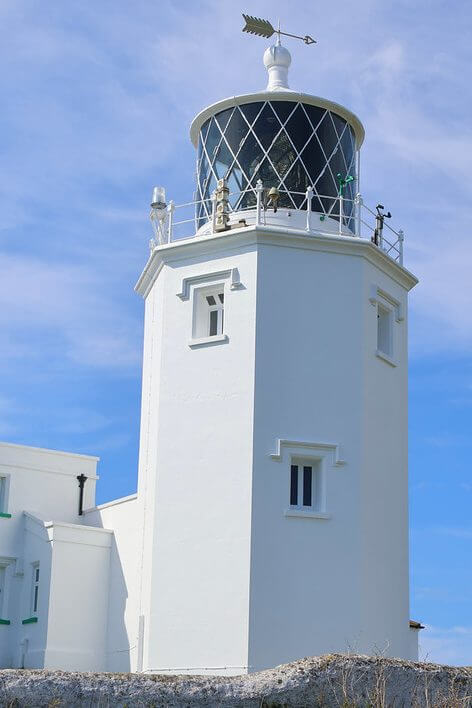
The Lizard is noted for being one of the most unspoilt areas in Cornwall.
Some of the county’s rarest plants and wildflowers thrive in this landscape. Thanks to its botanical richness, it’s also a mecca for birdwatchers, being one of Cornwall’s best places to spot the red-billed chough, guillemots, and even the occasional puffin!
But its uniqueness is not limited to the ground, the sea and the sky. Below the earth The Lizard is wholly distinctive as well. The geological signature of this area is like no other in the county and is only rarely seen in a few places around the world.
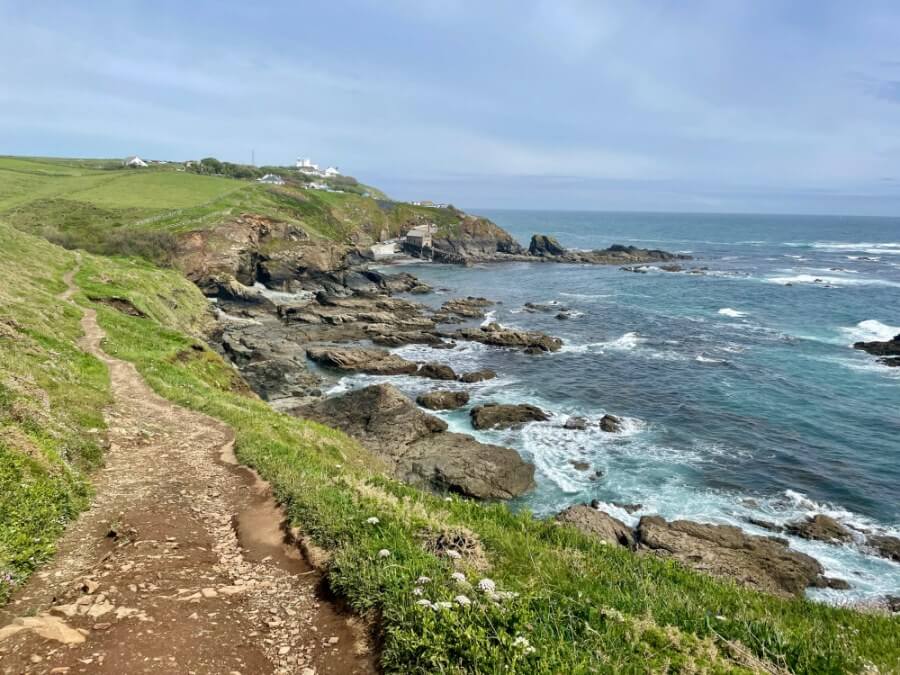
The Lizard’s unique geology is truly fascinating, even for non-scientists.
Around 400 million years ago, its rocks formed deep beneath the ocean. Tectonic plates pulled apart, volcanic activity forced the crust upward, and the rocks metamorphosed. Eventually, this land emerged from the water, a rare phenomenon seen in only a few places worldwide—including The Lizard.
This process left the area rich in serpentine, a green and reddish rock resembling snake skin (hence the name). By the mid-1800s, serpentine gained fame, fueled by Queen Victoria’s admiration for the stone. Though its popularity faded after a few decades, serpentine’s beauty remains a key feature of The Lizard.
Today, coast walkers will see serpentine boulders scattered across the landscape. Its distinctive bands of green, red, and black tracing the cliffs and plunging into the sea.
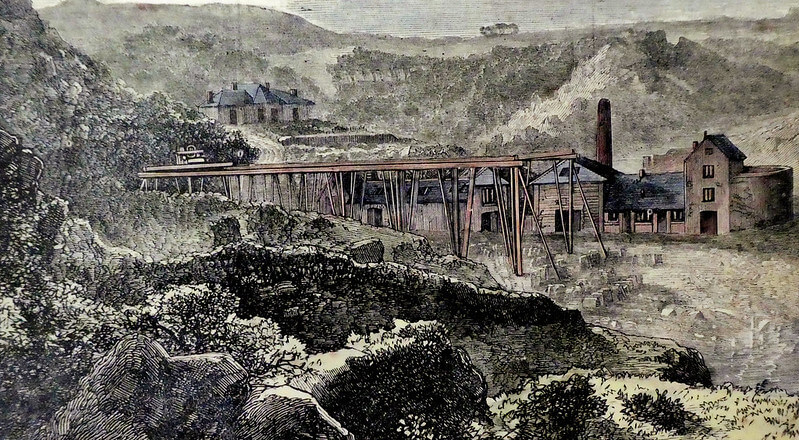
Illustration of a Serpentine Works in Poltesco, The Lizard.
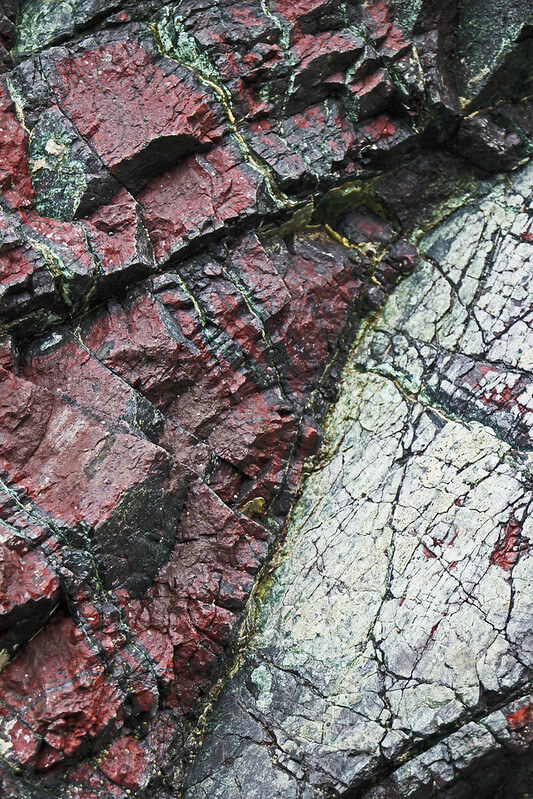
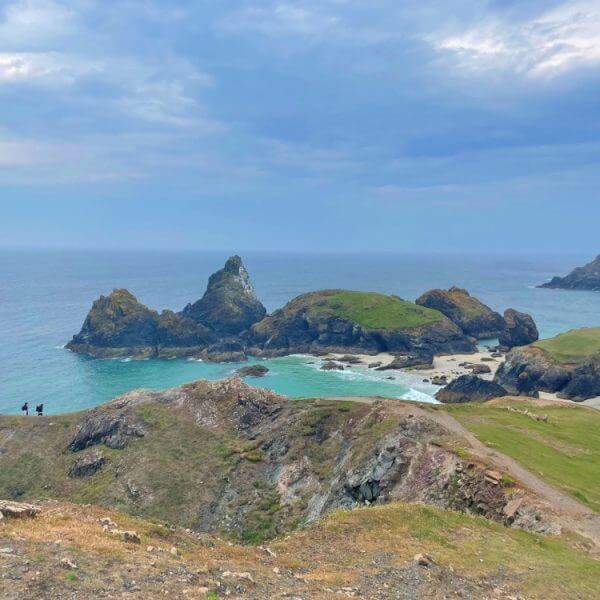
We dropped down into Kynance Cove… These rocks, no longer grey blocky granite but now serpentine in hues of dark green and red, a picture-perfect cove of snakeskin rock, calm turquoise water and white sand.
- Raynor Winn, The Salt Path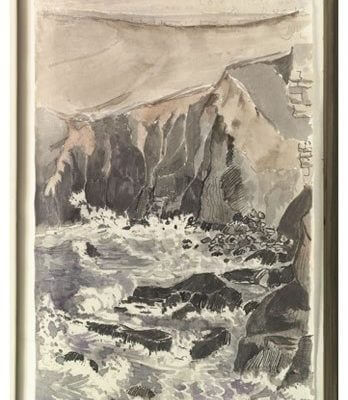
Fans of The Hobbit and The Lord of the Rings will enjoy The Lizard’s connection to the stories and their creator. Tolkien spent many weeks in this corner of the world, alone and with his family.
The writer’s visits to The Lizard provided key inspiration for Middle Earth. He drew and painted the surrounding landscapes, capturing the area’s unique beauty and bringing it to life in his vision of his fantasy world. (To the left is one of Tolkien’s sketches of Lizard Point).
After one such visit to The Lizard, he penned the poem The Horns of Ylmir in 1914. This was a time where the writer was laying the groundwork for the world that would later become internationally famous in his novels, as well as in films and television.
It’s even said that the character of Samwise Gamgee was brought into being after a family holiday in Cornwall. During the trip, Tolkien met a Cornish local man, who he affectionately nicknamed “Gaffer Gamgee”. The name would stick around, and eventually reemerge, attached to one of the most beloved characters in The Lord of the Rings.
For Tolkien fans, walking this stretch of coast feels like stepping into a literary pilgrimage. The connection between the wild, untamed beauty of The Lizard and Tolkien’s fantastical worlds is undeniable.
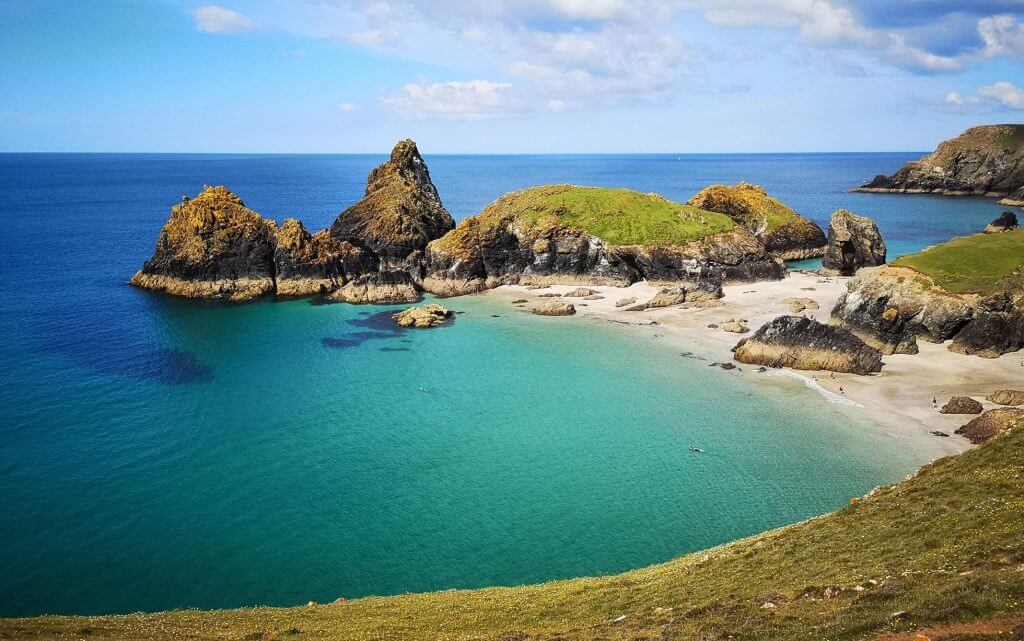
As we conclude our journey at Kynance Cove, we’re greeted by one of Cornwall’s most picturesque coastal landscapes. Kynance is renowned for its turquoise waters, white sandy beaches and striking serpentine rock. It’s attracted visitors since the early Victorian era, including Queen Victoria and the poet Alfred Tennyson.
Drop us a line today and we can start organising your trip to this incredible part of the world!

Catch up on more of our latest articles, updates, stories, and insights to keep you informed and inspired.